Magnesium-rich foods for calm evenings and sleep

Magnesium-rich foods are some of the easiest additions to make to an evening routine. In this article I explain what magnesium does in the body, why stress and diet can leave intake low, which foods contain the most, and how to build them into your day. I also cover what the research says about magnesium and sleep, who should check with a GP first, and where herbs traditionally used for calm fit alongside food.
What magnesium does in the body
Magnesium is a mineral that takes part in more than 300 chemical reactions in the body. You need it to make energy in your cells, to build proteins, and to keep nerves and muscles working normally.
Two of those jobs matter most for calm and sleep:
Nerve signalling. Nerve cells pass messages by moving charged particles in and out. Magnesium takes part in controlling that movement, and it also acts on receptors for GABA, the brain's main calming messenger.
Muscle relaxation. Muscles contract when calcium moves in and relax when it moves out. Magnesium helps with the relaxing part, which is why a low intake is often linked to twitching and cramps.
Your body holds about 25 grams of magnesium in total, and around half of it sits in your bones. Only a tiny share circulates in the blood, so a standard blood test does not show your overall stores well. Your GP can still order one if there is a reason to look.
How much you need
In the UK, the reference nutrient intake is 300mg a day for men and 270mg a day for women aged 19 to 64. Many people reach that figure on a varied diet. Many others fall short, because the foods richest in magnesium, such as seeds, nuts, pulses and whole grains, are the ones that heavily processed diets tend to leave out.
Refining takes magnesium out of food. White flour and white rice lose most of what the whole grain contained, because the magnesium sits in the outer bran and the germ.
Why stress and diet can leave intake low
Several everyday habits can lower how much magnesium you absorb or keep:
A diet built on refined foods. Pasta, white bread, biscuits and ready meals contain far less magnesium than their whole-food equivalents.
Regular alcohol. Alcohol increases the amount of magnesium passed in urine.
High caffeine intake. Large amounts of coffee have a mild effect on urinary losses too.
Some medicines. Certain diuretics and acid-reducing medicines can affect magnesium levels. If you take either, your GP or pharmacist can advise.
Digestive conditions. Anything that affects absorption in the gut can change how much you take in.
Stress comes up often in this area. During stress, the body passes more magnesium in urine, and low magnesium may in turn make the stress response feel stronger. The research on this loop is still developing, so I describe it as a possible two-way link that needs more research. I explain how the stress response works in how chronic stress affects your body.
What the research says about magnesium and sleep
Magnesium is involved in the systems that control relaxation, so people have looked at whether more of it improves sleep. The findings are early and mixed. A few small trials in older adults found modest gains in how quickly people fell asleep and how they rated their sleep. Other trials found little difference, and most of them tested supplements at set doses and left food out of the picture.
I think the honest summary is this: magnesium plays a real part in nerve and muscle function, and a diet with enough of it is a sensible foundation. It will not on its own solve a sleep problem, which usually has several contributors. I cover the most common ones in why can't I sleep: three causes to look at first.
The best food sources of magnesium
The amounts below are approximate and vary with the variety of the food and how it is grown and prepared. Where I give a figure, it is a typical value for the portion shown.
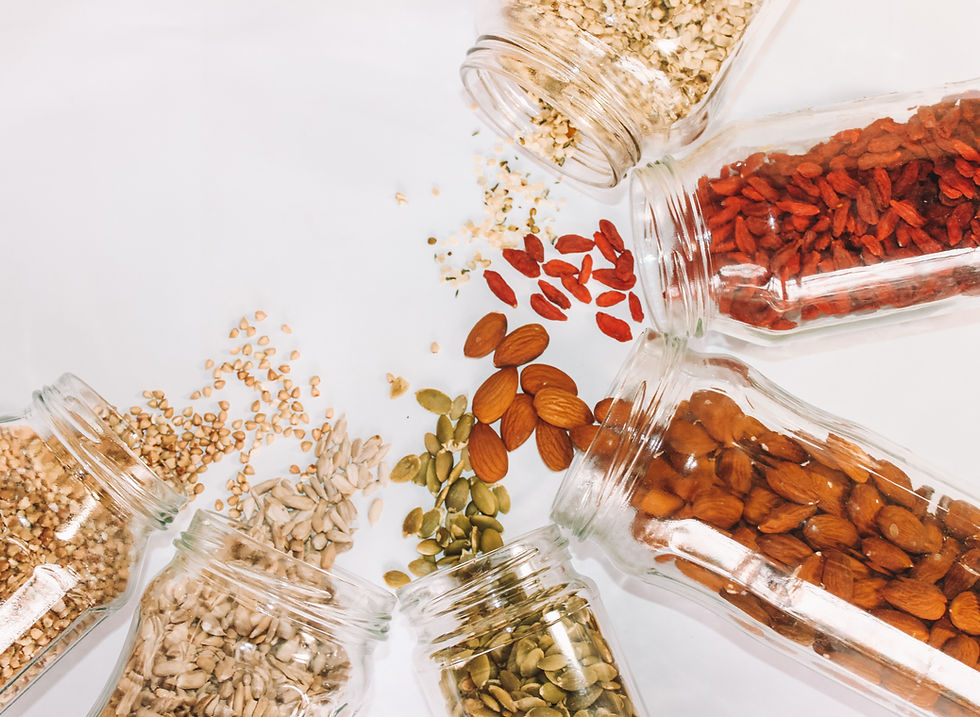
Pumpkin seeds. The richest everyday source, with roughly 150mg in a 30g handful. Sprinkle them on porridge, salads or soup, or eat them as a snack.
Almonds and cashews. Roughly 75mg in a 30g handful of almonds, and a little less in cashews. A small handful with fruit works as a mid-afternoon snack.
Cooked spinach and Swiss chard. Around 75 to 85mg in a cooked portion of about 100g. The magnesium is part of the chlorophyll molecule, which is one reason dark green leaves are a good source.
Black beans, chickpeas and lentils. Roughly 60 to 70mg in a cooked portion of 120g. They also give fibre and slow-release carbohydrate.
Edamame and tofu. Soya foods contain a useful amount, with firm tofu giving around 50 to 60mg in a 100g portion.
Oats, quinoa and brown rice. Whole grains hold more than their refined forms. A bowl of porridge contains roughly 50mg, and cooked quinoa a little more.
Dark chocolate. Chocolate with 70 per cent or more cocoa contains around 60 to 70mg in a 30g portion. It also contains a small amount of caffeine, so I suggest having it earlier in the evening.
Oily fish. Mackerel and salmon contain about 30 to 40mg in a portion, along with omega-3 fats.
Avocado and banana. Each gives around 30mg. They are useful when you want something light that still adds up across the day.
You do not need all of these. Three or four reliable choices that you enjoy will do more than a long list you never buy.
Building magnesium-rich foods into your day
Small additions are easier to keep up than a new eating plan. These are the ones I suggest most often:
At breakfast, make porridge with oats and add pumpkin seeds, a spoon of almond butter and some berries.
At lunch, add a handful of spinach or a tin of beans or chickpeas to a salad or soup.
In the afternoon, swap a biscuit for a small handful of almonds with an apple. The protein and fat help hold your blood sugar steady, which matters for evening energy and for sleep. I cover this in eating regularly when life is busy.
At dinner, choose brown rice or quinoa as the base and add a green vegetable such as chard or kale.
After dinner, two squares of dark chocolate, eaten slowly, count as a magnesium food and a pleasant way to mark the end of the day.
A sample day
Here is a day that reaches a good intake without any special products:
Breakfast. Porridge with 20g of pumpkin seeds, berries and a spoon of almond butter.
Lunch. Lentil and spinach soup with wholegrain bread.
Snack. A small handful of almonds and an apple.
Dinner. Baked salmon, quinoa and steamed chard.
Evening. Two squares of dark chocolate.
That day adds up to somewhere around the reference intake. If you want to check your own numbers, a food diary app for a few days shows where you stand.
Food or supplements
Food is where I would start. Foods bring magnesium together with fibre, protein, healthy fats and other minerals, and it is hard to take too much magnesium from a plate. Supplements come in several forms, including citrate, glycinate and oxide, which the body absorbs to different degrees, and doses vary widely between products. Too much from a supplement can loosen the bowels, and the cautions in the GP section below apply more strongly to supplements than to food.
If you wonder whether your intake is low, a food diary over a few days tells you more than guessing. A GP or registered dietitian can help you interpret it and decide whether a supplement makes sense for you.
Three easy ideas to try this week
None of these needs special equipment, and each one reaches several of the foods above:
Seeded porridge. Cook rolled oats with water or milk of your choice, then top with pumpkin seeds, a spoon of almond butter and sliced banana.
Spinach and chickpea tray bake. Roast chickpeas with olive oil, cumin and garlic for 20 minutes, then stir through fresh spinach so it wilts in the heat. Serve with brown rice.
Evening snack plate. A small handful of almonds, a few squares of dark chocolate and a piece of fruit. It takes two minutes and works well after dinner when you want something small.
Cooking and storage tips
A few kitchen habits help you keep more of the magnesium in your food:
Choose whole grains. Brown rice, wholemeal bread and rolled oats retain the bran and the germ.
Do not boil vegetables for long. Magnesium dissolves into cooking water. Steaming keeps more, and the cooking water from greens can go into a soup or sauce.
Soak beans and grains. Soaking and cooking reduces phytic acid, a natural compound in seeds and grains that can bind minerals and make them harder to absorb.
Store nuts and seeds in a cool, dry place. This keeps their fats fresh.
An evening routine that works with food
Food is one piece of a good evening. Many people find that a short routine gives the body the clearest signal that the day is ending:
Eat your main meal two to three hours before bed, so digestion is mostly done when you lie down. I explain why in gut health and sleep.
Dim the lights and move away from bright screens for the last hour.
Take a warm bath. Some people add Epsom salts, which are magnesium sulphate. There is limited evidence that magnesium passes through the skin in useful amounts, but the warmth and the pause are helpful in their own right.
Keep your bedtime and wake time regular.
Try a few minutes of slow breathing, with a longer breath out than in.
Who should check with a GP first
Food sources of magnesium are safe for most people. Some situations call for a conversation with a GP or pharmacist before you change your intake or add a supplement:
Kidney disease. The kidneys control how much magnesium the body keeps, so people with reduced kidney function can build up too much.
Prescribed medicines. Magnesium can interact with some antibiotics, bisphosphonates and heart or blood pressure medicines.
Pregnancy and breastfeeding. Needs and cautions differ.
Persistent sleep problems. Long-lasting insomnia, loud snoring with gasping, or severe daytime sleepiness need a medical assessment, because conditions such as sleep apnoea are common and treatable.
Muscle cramps that are frequent or severe. These have many possible causes.
Where herbs fit alongside food
Herbs sit next to food and routine. Some are traditionally used to support relaxation and a calm response to everyday stress. These belong to a group called nervines, and I explain them in what nervine herbs are and how they support the nervous system.
Four of them are:
Passionflower (Passiflora incarnata). Traditionally used to support relaxation and a settled mind in the evening.
Skullcap (Scutellaria lateriflora). Traditionally used to support the nervous system during periods of tension.
Lemon Balm (Melissa officinalis). Traditionally used to support calm and digestive comfort. It has a light lemon scent.
Ashwagandha (Withania somnifera). An adaptogen traditionally used to support resilience to everyday stress.
I combined these four in Calm Nerve, a tonic formulated to support the nervous system and a calm response to everyday demands. It works best as one part of a wider routine with the foods, light and sleep habits above.
Putting it together
Magnesium takes part in nerve signalling and muscle relaxation, and the foods richest in it are seeds, nuts, pulses, leafy greens and whole grains. A few reliable choices each day, such as pumpkin seeds at breakfast, beans at lunch and greens at dinner, take you most of the way to the reference intake.
Alongside that, a consistent bedtime, dimmer evening light and an earlier last meal give sleep the best chance.
I work through six body systems in a set order, and the nervous system is one of them. If you would like to find out which area suits you best to look at first, the EarthWise health quiz takes a few minutes.
Sarah Burt is a registered naturopath, medical herbalist and iridologist with 25+ years of clinical experience. All EarthWise tonics are formulated by Sarah based on her clinical protocols.
Looking to explore more ways to support your body naturally? Browse our video library or discover our full range of educational content
This article is for informational purposes only and is not intended to diagnose, treat or cure any health condition. Always consult a qualified health practitioner before making changes to your health regimen.